Flint Homeownership Initiative adds 6 homes in Carriage Town
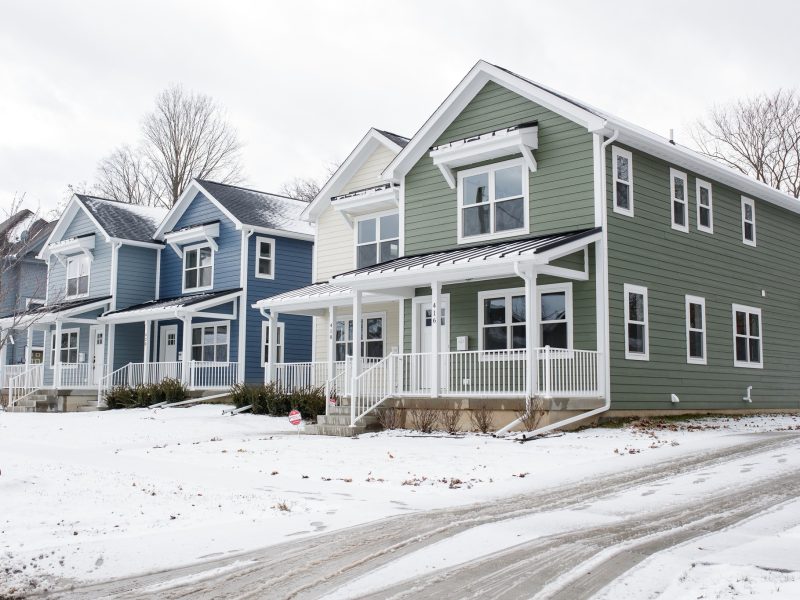
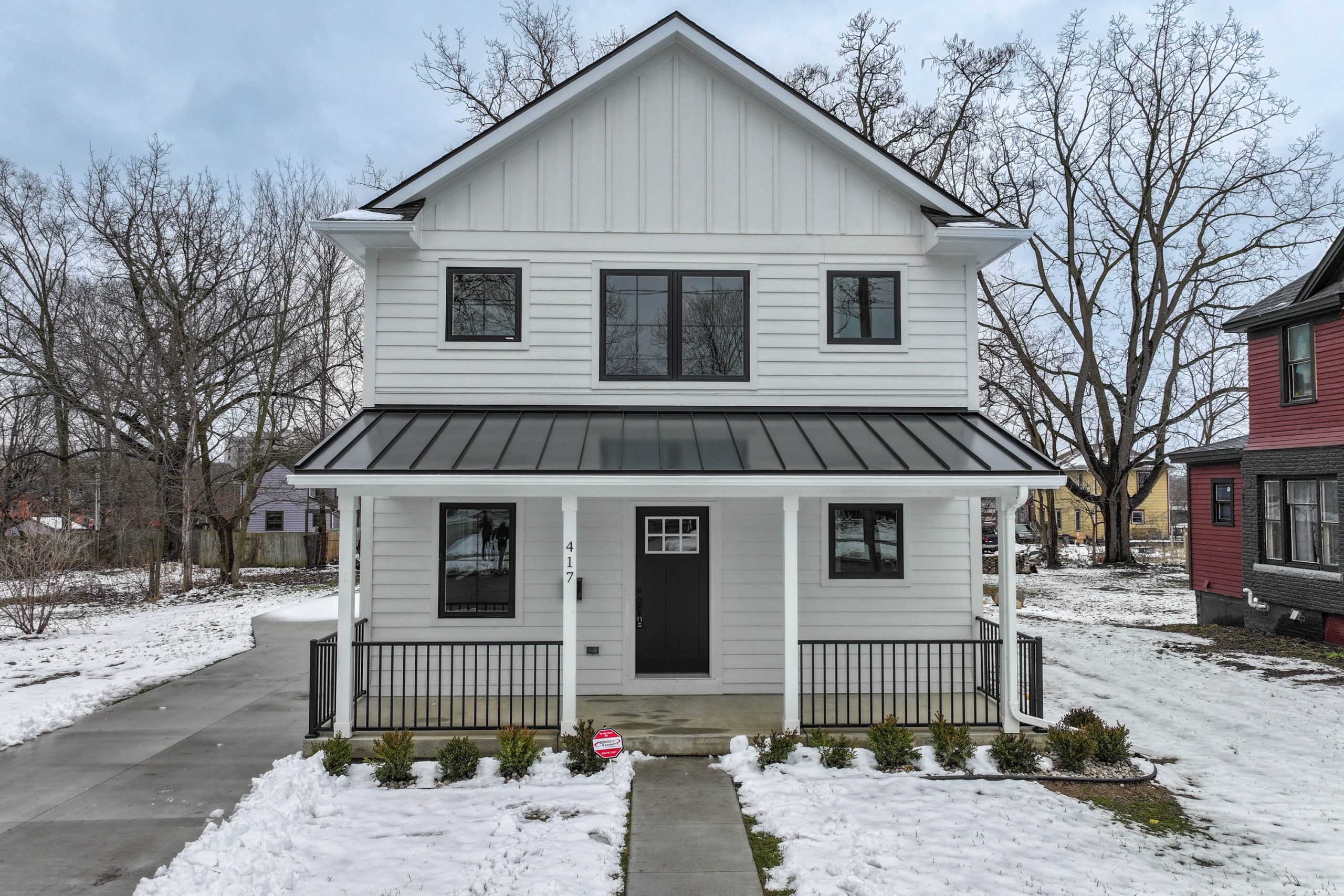
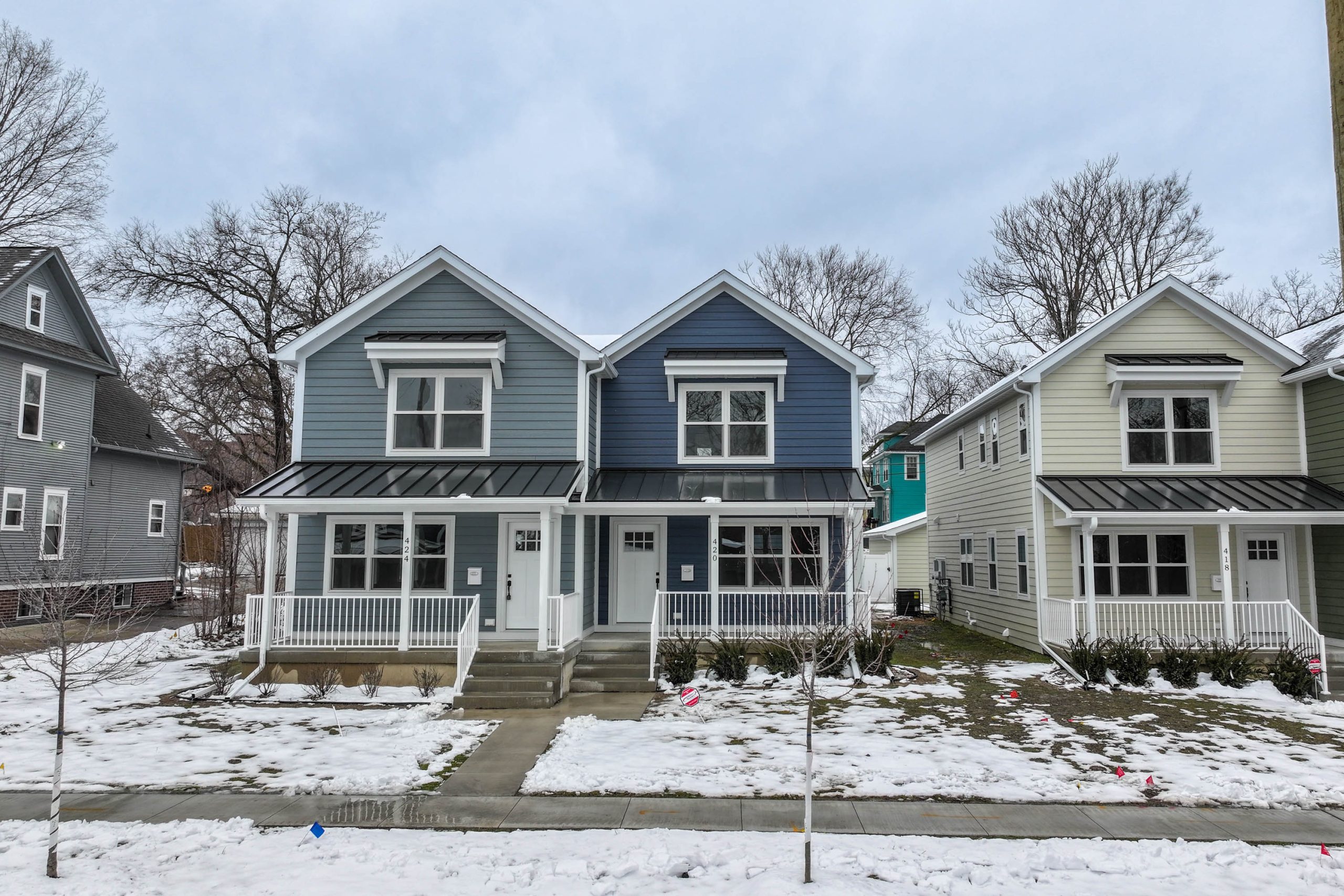
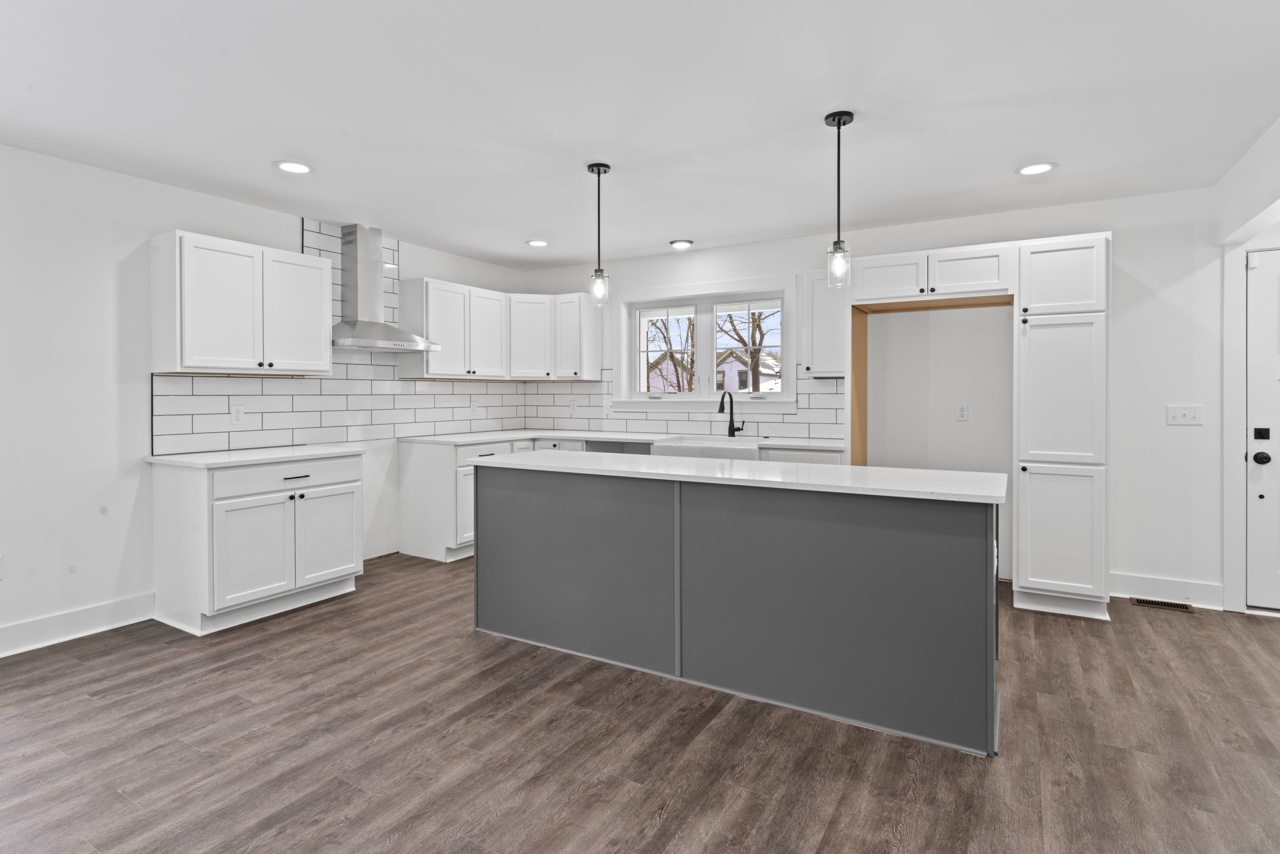
FLINT, Mich. — Six brand-new homes now stand where three Genesee County Land Bank owned parcels once sat in historic Carriage Town.
The new construction marks the completion of Phase One of the Flint Homeownership Initiative, which aims to promote homeownership, generate long-term tax revenue for the city and help stabilize the local housing market, according to the Uptown Reinvestment Corporation (URC).
The $1.9 million project was made possible through a 50-50 partnership with URC and Michigan Community Capital.
The single-family homes are priced at $188,000, while the duplex units are listed for $165,000. For comparison, the median home price in Flint is $62,000, according to realtor.com.
These homes are aimed at middle-income earners—teachers, nurses and firefighters—who may not qualify for low-income housing but also find luxury market-rate homes out of reach. The median household income in Flint was below $37,000 in 2023, according to the U.S. Census Bureau.
“The price points are all affordable to households at 80% to 120% of the Area Median Income (AMI), which is what we see as a middle-income household,” URC Project Manager Moses Timlin said. “We still met that goal, even though interest rates doubled when we first started this project. Interest rates were about 3% [and] by the time we finished, interest rates were as high as 7%.”
According to Timlin, all funds went directly to construction costs, which totaled $300,000 per unit. The homes were sold for 55% to 63% of the construction cost.
The project was funded through a federal grant, local philanthropy and Brownfield Tax Increment Financing (TIF), a program that allows developers to recover eligible redevelopment costs using the increased tax revenue from the improved properties.
While the new, cookie-cutter design contrasts with the neighborhood’s historic homes, each residence maintains a sense of individuality through color, with shades of blue, green and yellow.
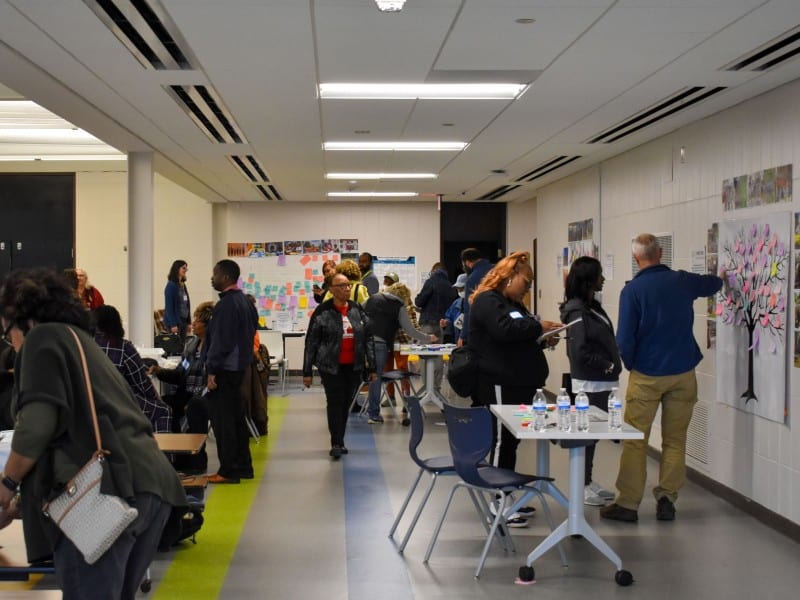
Timlin told Flint Beat that the design process included two sessions with 20 neighborhood residents and involved balancing their preferences with Historic District Commission guidelines.
“One of the things they noted was that we don’t want this to look like a suburban track home. We want this to look like it’s meant to be in an urban setting,” Timlin said. “It was an interesting balance where the Historic District Commission was very clear, we cannot replicate design features to make it look like it was a historic home, but we can have features that are compatible.”
Timlin addressed neighbors’ concerns about gentrification, saying each unit was purchased by residents working at local institutions and measures were taken to prevent sales to investors.
The homes were deed-restricted for homeowner occupancy, meaning buyers are required to live in the properties rather than rent them out.
“These are actually very local people who want to buy and live in Flint because [they] either have some sort of family tie or grew up here and moved back. We had to actually turn people down who wanted to purchase the units and just have them be a rental like again, our mission was home ownership,” Timlin said.
With the first project under the Flint Homeownership Initiative in the books, partners have started “vision casting” what phase two will look like, according to Timlin.
Timlin said they plan to reinvest proceeds from the sales into another round of for-sale homes but they must first secure additional grant funding.
“As long as we break even. We’re selling these at a loss, so as long as we get our money back,” he said. “We’re hoping to not just be relying on grants, but at the end of the day, we can only sell them for so much and we need those grants to subsidize that gap.”
Support local news!
Flint Beat is here to empower, impact and inform our community. Show your support today!
Choose a monthly amount
Basic
Standard
Pro
Custom Amount
Thank you for your support!
Author