Mott College trustees postpone action on alleged ‘proselytizing’ by president
This story was originally published by Bridge Michigan(bridgemi.com), a nonprofit and nonpartisan news organization. To get regular coverage from Bridge Michigan, sign up for a free Bridge Michigan newsletter here (https://bit.ly/BridgeMichiganNewsletter).
Mott College trustees postpone action on alleged ‘proselytizing’ by president
- The board of Mott Community College in Flint held a special meeting to discuss a complaint that college president Shaunda Richardson-Snell engaged in ‘religious proselytizing’
- The board postponed action after hearing comments from more than two dozen people
- Richardson-Snell did not attend the meeting
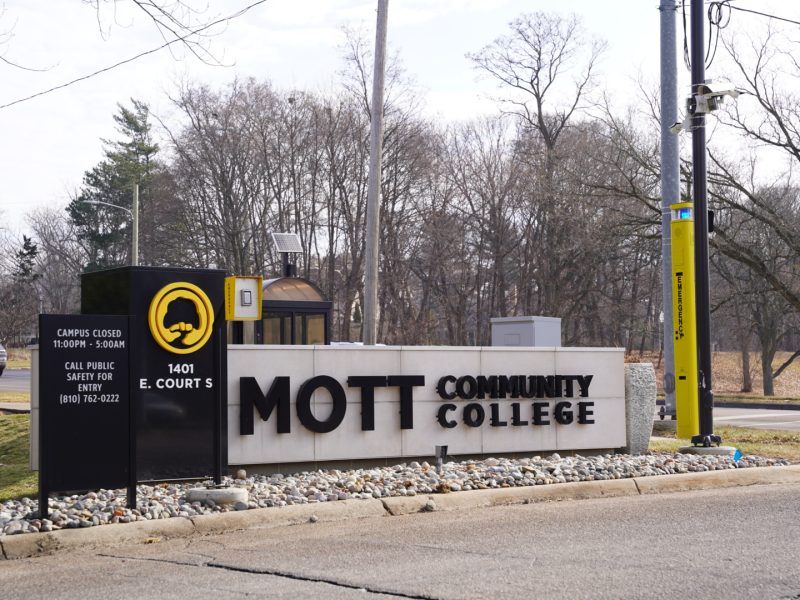
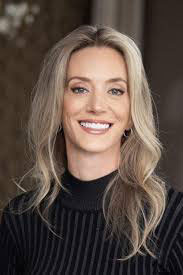
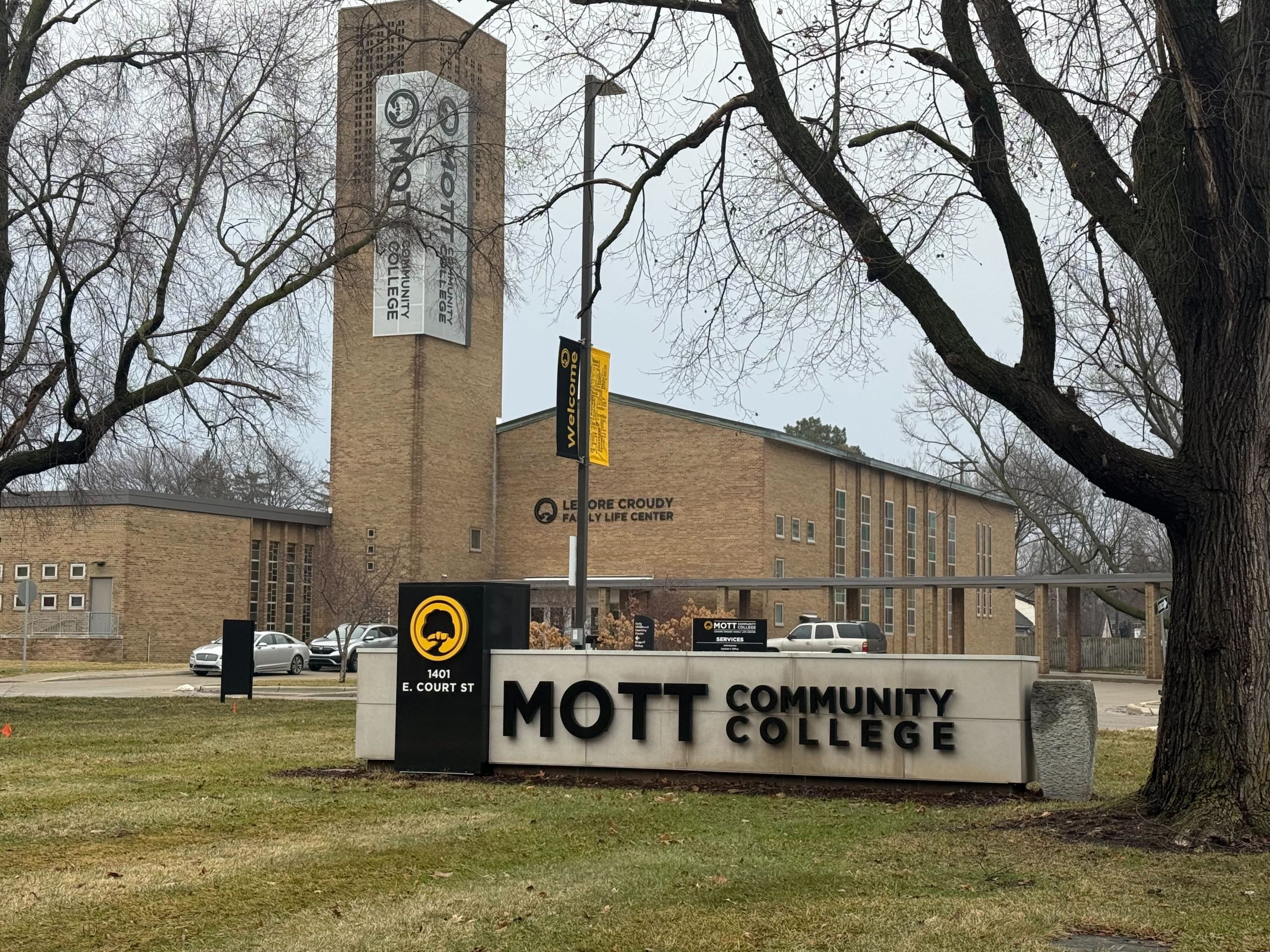
FLINT — The Mott Community College Board of Trustees failed to take action Wednesday on a complaint that the college’s president, Shaunda Richardson-Snell, engaged in “religious proselytizing” while serving in her official role.
The board postponed action after hearing two hours of often highly charged comments at a special meeting. Nearly two dozen people spoke, with some saying Richardson-Snell has a right to religious expression and others contending that the president’s reported statements were out of line.
Rather than announcing an investigation into the complaint, as some speakers requested, board members emerged from a closed session and said the board would consider issuing a public statement Monday at its next regular meeting.
Some board members wanted to review and possibly add to the statement, which had already been penned by Trustee Santino Guerra.
It said, in part, that “Mott Community College affirms the constitutional right to freedom of religion and respects the deeply held beliefs of all individuals. The ability to practice and express one’s faith freely is a fundamental liberty and an important part of the democratic society and Mott itself.”
“As a public institution, the college also has a responsibility to maintain an environment that is inclusive and welcoming to people of all faiths and those with no religious affiliations.”
Three trustees called the special board meeting after Americans United for Separation of Church and State, a national nonprofit, notified Richardson-Snell and board members that the group had received a complaint that Richardson-Snell had made “proselytizing religious comments” on several occasions. Such behavior would violate the First Amendment’s establishment of religion clause, according to the organization, and “conveys disrespect for the beliefs of the community and sends the message that those who do not practice the officially favored faith are unwelcome outsiders who do not belong.”
Board attorney Carey DeWitt said that he was asked by the board chair to investigate the complaints about Richardson-Snell after they emerged during an October meeting and were resolved in December — before they reached the Americans United for Separation of Church and State.
Asked after the meeting what the resolution was, DeWitt declined to say, calling it “privileged.”
About 75 community and faculty members attended Wednesday’s special board meeting. Richardson-Snell did not attend the meeting. Chair Jeffrey Swanson said she was out of town at a conference.
Related:
- Mott College trustees to meet about complaint that president is ‘proselytizing’
- Hillsdale teams with Trump on US history. In divided land, not all are thrilled
- Michigan State University Provost Teresa Woodruff named interim president
Among the people to whom Richardson-Snell reportedly spoke about her faith in her official capacity is Wayne Wilson, a member of the Navajo Nation (Diné) in Arizona, who told Bridge Michigan last month that she asked him if he “had accepted the Lord Jesus Christ as my personal savior.”
Wilson said the president spoke with him after he spoke during the annual Peace and Dignity Ceremony, held annually on Indigenous Peoples Day in October to promote cultural unity through indigenous traditions, and mentioned living previously in a federal Indian boarding school run by Christians.
Speakers weigh in
Wednesday’s meeting drew comments in support of and against Richardson-Snell’s reported comments.
Michael Freeman, a former Mott college board member, said the issue is not about freedom of religion or speech. Rather, the college is a public institution and is bound by the Constitution’s First Amendment establishment clause.
“Multiple complaints have been raised alleging that actions taken by President Shaunda Richardson-Snell violated that constitutional boundary,” Freeman said. “The issue before you is whether the leadership of this publicly-funded college has crossed that constitutional line …”
Diana Van der Vossen, a resident of Davison, said the college “deserves leadership that is appointed through a process that is transparent, lawful and beyond reproach …”
Allegations involving the college president raise “serious concerns as a public institution.”
“Mott Community College must remain a place that is inclusive, respectful and free from the promotion of any individual religious viewpoint,” Van der Vossen said. “This is not about personal beliefs. It’s about professional responsibility, institutional neutrality and adherence to the standards expected of public leadership.”
But Miosha Robinson, a Flint resident who leads a nondenominational church in the community with her husband, said what Richardson-Snell reportedly said is “an expression of who she is.”
“There is no way that she could go through life and not share her faith,” said Robinson, who wore a sweatshirt with the word, “Pray.” “It is who she is. It is why she holds the position that she holds and there was no way for her to separate that.”
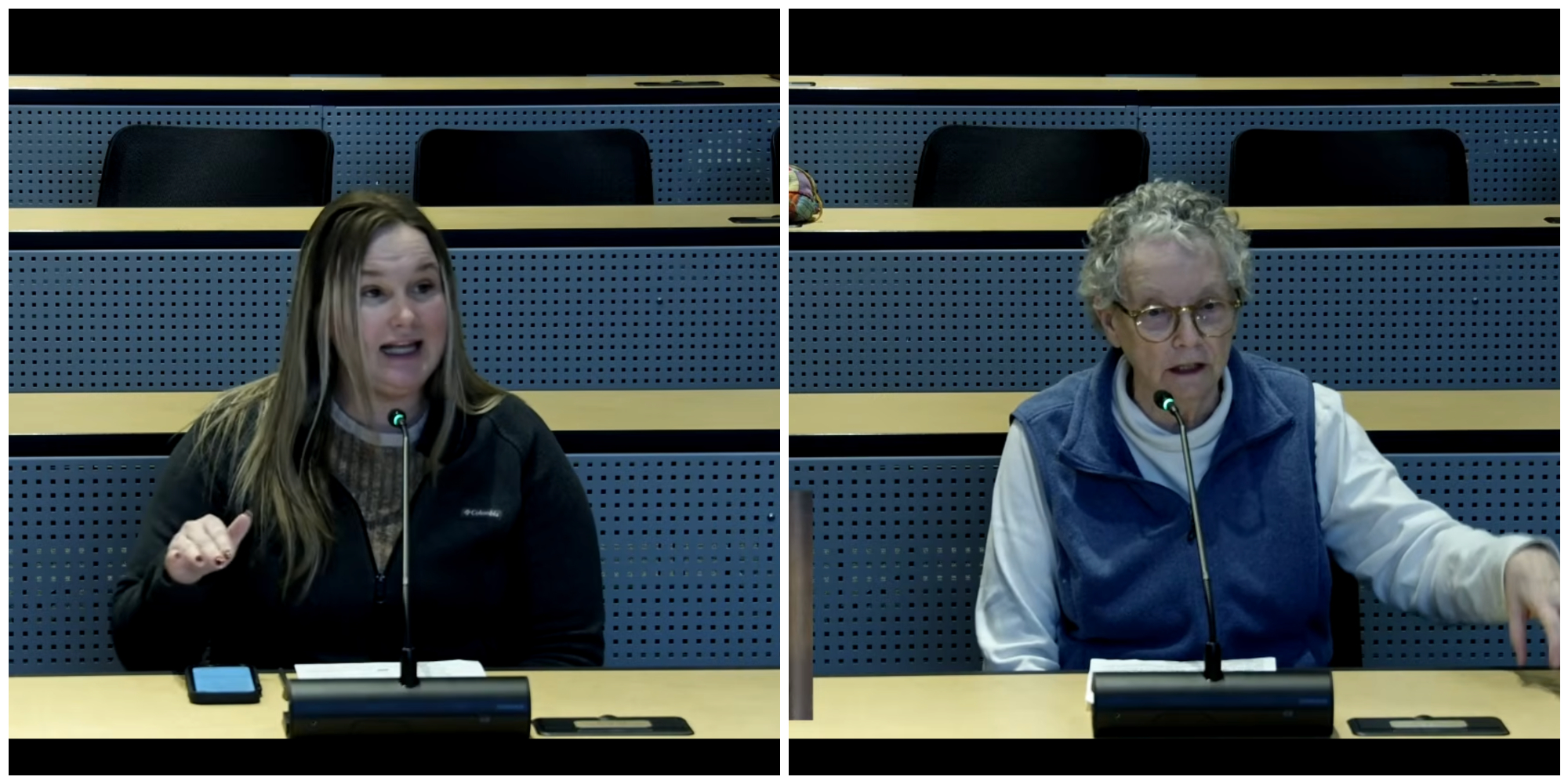
Former board member Anne Figueroa said she did not understand why the previous board chair allowed Richardson-Snell to recite the Lord’s Prayer after the Pledge of Allegiance during public board meetings.
“This is a public institution and should, therefore, be inclusive to all,” said Figueroa.
The president is also in a position of power, which is different from an average person speaking about their faith, Figueroa added.
“She makes these statements to her staff and the faculty and students and they begin to wonder: what’s the repercussions if I don’t agree with her?,” Figueroa said. “Those in power can’t use the power to their own benefit. It’s not a pulpit. It’s a job.”
Ashley Shafer, a Davison resident and former Mott college student, said she objected to the portrayal of Richardson-Snell’s words as “proselytizing.”
“Proselytizing involves coercion and often comes with force or aggression,” said Shafer. “Asking if somebody knows Jesus as their Lord and Savior is not coercive in nature. It was meant to express love.”
“I just want to remind everybody that God has given Shaunda this position … Her intent is not to hurt but to empower,” Shafer said.
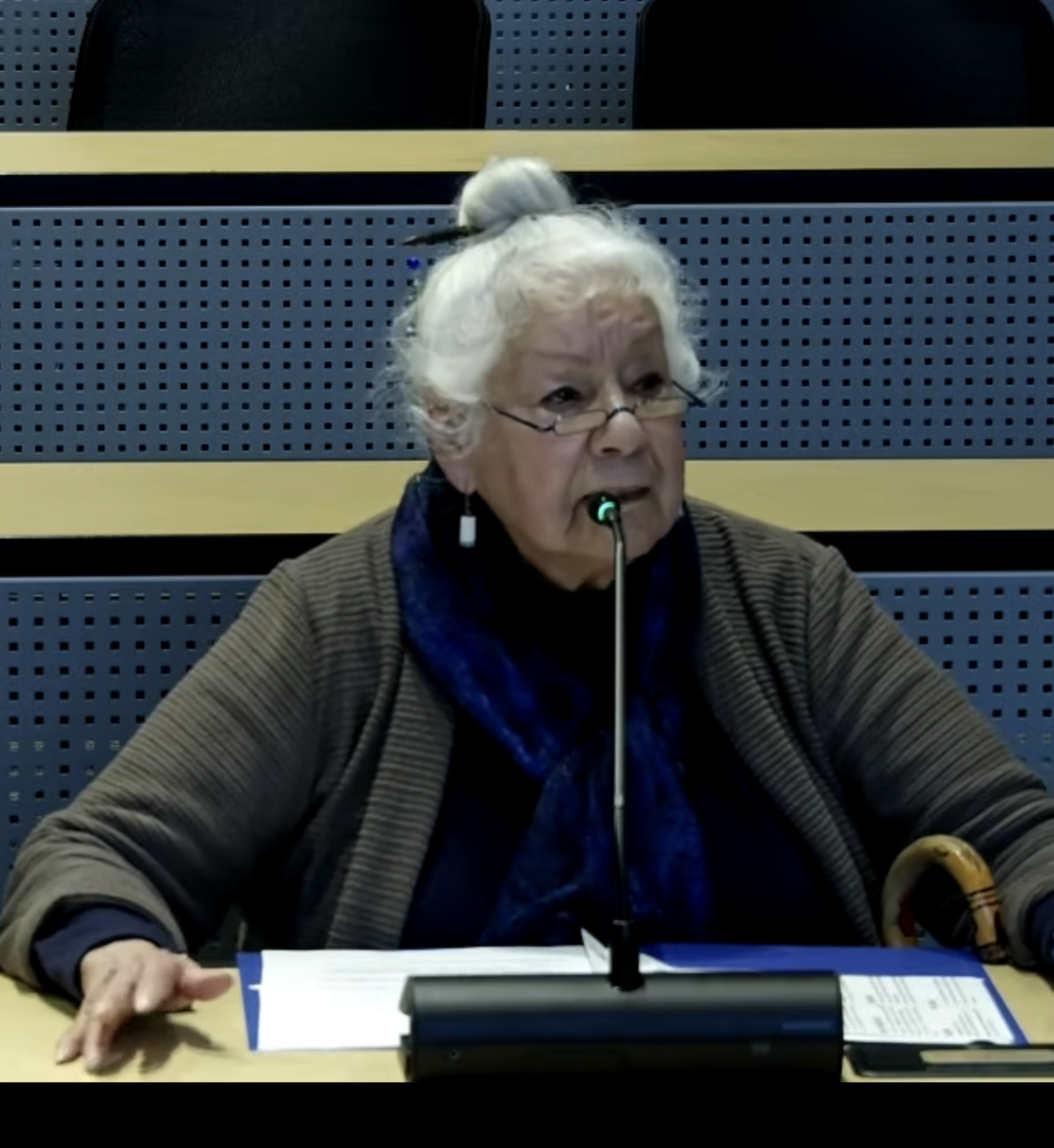
During the meeting, retired Mott professor Celia Perez Booth said she had a message from Wilson to the president “to please stop contacting him.” Perez Booth said that the president and her lawyer sent him a declaration that they wanted him to sign, “saying that she did nothing wrong.”
“My issue with her was her insensitivity to our Native American experience with Christianity,” said Perez Booth, comparing it to asking a woman about being raped in public. “For Native Americans, it’s inappropriate for people to ask us about our Christian experience because you don’t understand the history of the abuse in the boarding schools. We’re still suffering from that. We’re still healing from that.”
This article first appeared on Bridge Michigan and is republished here under a Creative Commons Attribution-NoDerivatives 4.0 International License.


Support local news!
Flint Beat is here to empower, impact and inform our community. Show your support today!
Choose a monthly amount
Basic
Standard
Pro
Custom Amount
Thank you for your support!