Residents, Genesee County Animal Control work to curb crisis
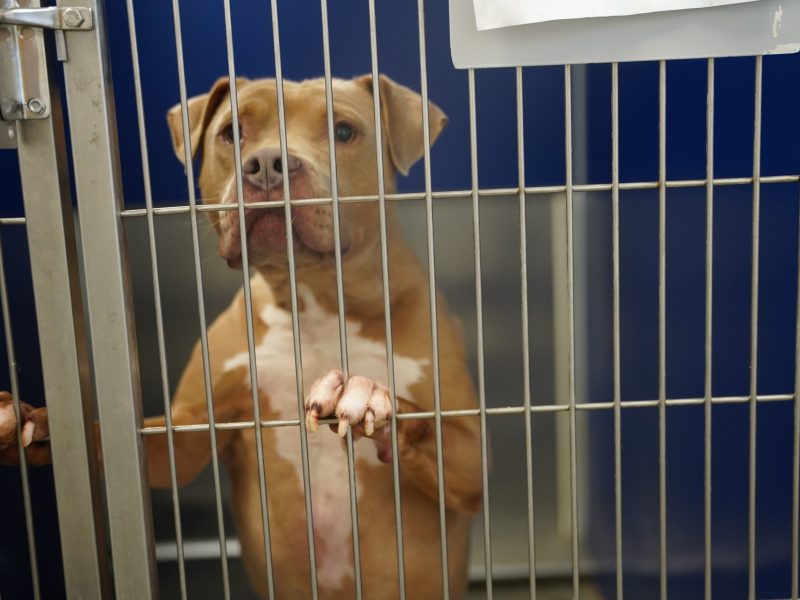
Flint, MI — It’s 1:40 p.m. on a Thursday. Hannah Peterson is late for a 1 p.m. meeting after being called to a last-minute medical emergency for one of the dogs at the Genesee County Animal Control.
Although her job title is social media specialist, she can be pulled in to help in other areas on any given day as agencies like the county animal shelter struggle with capacity.
“I know it’s not just us, it’s pretty widespread. All the shelters and rescues are having very similar issues that we’re experiencing, but it’s very high stray intake numbers. A lot of abuse, neglect, abandonment, you name it,” said Peterson.
Genesee County Animal Control is looking to hire a vet tech. The position has been posted for months without success.
The shelter, located on West Pasadena Avenue, has been on the frontlines of Genesee County’s animal overpopulation crisis for years, having accepted more than 3,000 cats and dogs in 2023 — More than any other county animal control facility in the state that year.
This year’s 2024 numbers have presented little relief to its on-site employees, who have to manage more than 250 intakes at any given time. By summer 2024, Animal Control had taken in more than 2,000 cats and dogs.
Under these circumstances, the lack of staff means that all 20 of the organization’s employees have to sometimes help in other departments.
“It’s been like this for a long time. It always kind of feels like it goes in waves and right now, we’re definitely in the thick of it,” said Peterson. “The Animal Rescue world is in crisis mode right now, for sure.”
Michigan Pet Alliance (MPA), a nonprofit membership association of some Michigan animal welfare organizations, dubbed 2021 as “the year that started the capacity crisis” in their 2021 annual report, noting how the “crisis” is not limited to Michigan but exists on a national scale.
MPA speculates that shelter shutdowns, reduced hours and staffing, and other COVID-19 safety measures put in place may have influenced this shift. They estimate that during the pandemic, more than 3 million spay/neuter procedures were not performed due to clinic closures.
The number of cat intakes nearly doubled from 781 in 2018 to 1,233 in 2023, while the number of dogs stays relatively the same when compared to pre-Covid reports, according to a data from the Michigan Department of Agriculture & Rural Development’s Individual Michigan Animal Shelter Reports.
Kitten season runs between April and October, and is a huge factor in overpopulation which is why they offer a Trap-Neuter-Return (TNR) program once a month.
“Unvaccinated animals can spiral so quickly,” said Peterson. “It’s a pretty vicious cycle. The more strays that are coming in that are unvaccinated, the higher chance of disease spreading throughout the entire shelter.” Animal Control was shut down more than once this year due to parvovirus outbreaks.
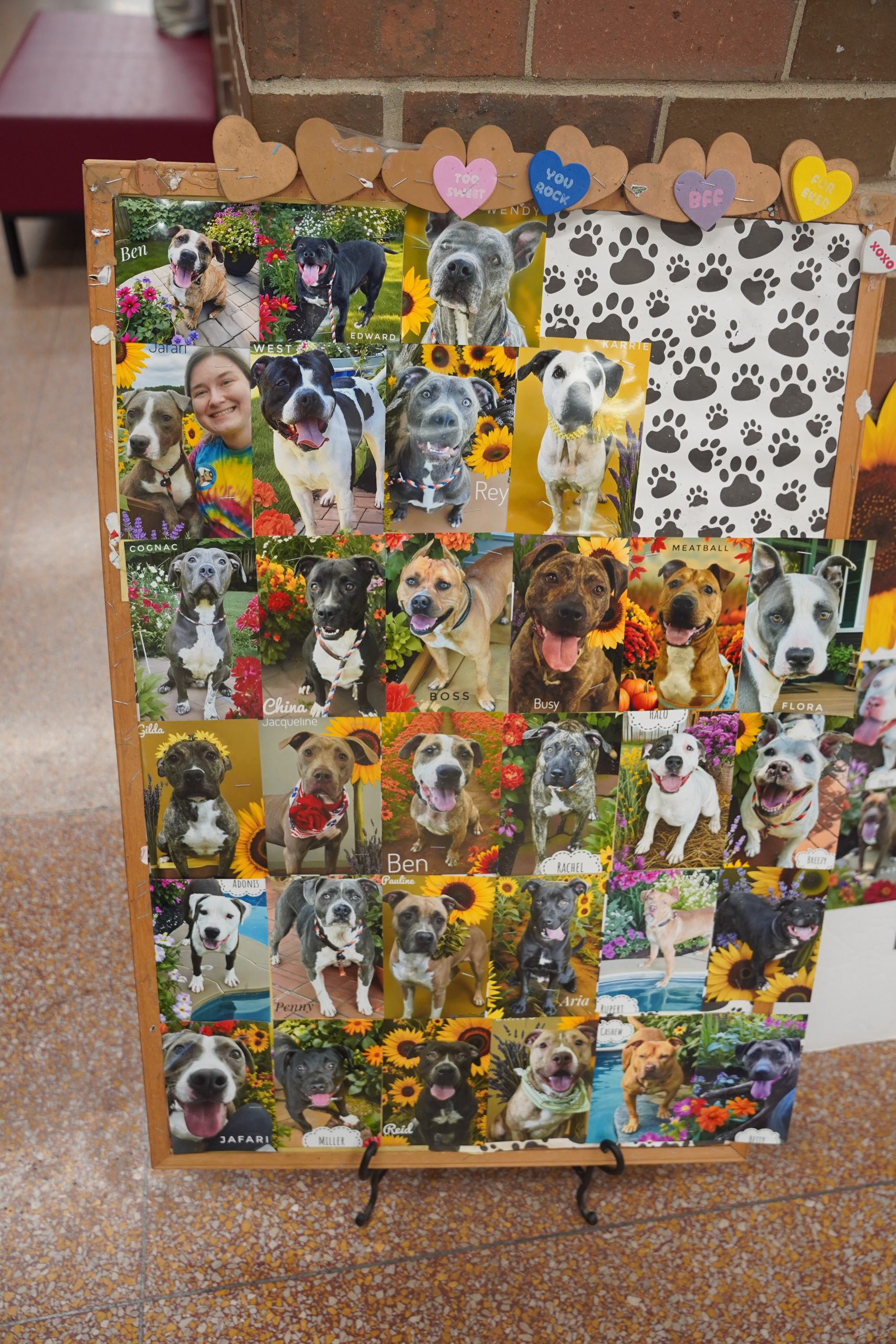
While Animal Control partners with shelters in surrounding areas like Fenton, Hamilton and Charlotte to relieve some of their burden, Peterson encourages residents to donate some of their own time toward rehoming animals.
“We’re always here to offer resources, advice, and suggestions, and help in the ways that we can, even if it doesn’t mean that we’re taking that animal because it’s going to be taking up another kennel that we already really don’t have,” Peterson said.
With the situation being what it is now, the onus has fallen back on residents like Angela Chaney, who started The Feral’s Frontliners in 2021 as a response to what she has witnessed in her neighborhood.
This Glendale Hills-based 501(c)(3) focuses on combating overpopulation by trapping, neutering, and releasing strays back into their former environments and colonies as opposed to adoption.
“They will go right in my bedroom with me. We can only bring in three at a time, and it’s just me and my daughter. A lot of times when we bring in six, when we have like 20 of them, we reach out to the public, and these guys step right up. We definitely desperately need triple the work, if I just had somewhere to hold them,” she said.
Chaney’s biggest problem is she needs somewhere to put unhoused animals while they are servicing them, especially when they are in need of medical attention.
“We really need some sort of government backing. If we can get some of these old schools together with the Board of Education. Pull the boards off of them, let’s get some of these animals with them,” she suggested.
“I am on social media, begging, begging, begging for fosters, begging for people to hold [them].”
Chaney’s non-profit operates on donations and volunteer work.
“We’re a private foundation so I go in my pocket a lot,” she said. “I’ve actually taken on another job… just to fund this…We turn to (a lot of times) home remedies, things that we’ve heard, and we’re just going to try, because if we don’t do anything, they’re going to die.”
As of right now, some services are available through Genesee County Animal Control to combat overpopulation and disease, such as their free once-a-month Trap-Neuter-Return (TNR) program and free vaccinations.
For more information on services offered at Genesee County Animal Control call 810-732-1660.
Support local news!
Flint Beat is here to empower, impact and inform our community. Show your support today!
Choose a monthly amount
Basic
Standard
Pro
Custom Amount
Thank you for your support!
Author