Flint community toolshed faces uncertainty after funding cut
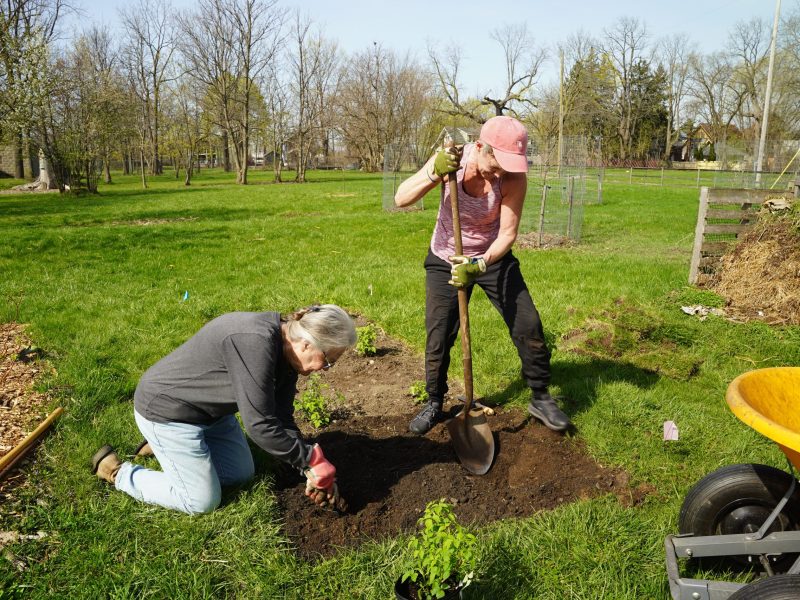
FLINT, Mich. — In a typical six-month season, a community shed on Flint’s north side processes thousands of requests for equipment that helps maintain lots throughout the city, but that has ended.
The Neighborhood Engagement Hub’s (NEH) community toolshed has closed after losing its primary funding source, and there is no set reopening date.
For nearly a decade, the toolshed was supported by a Community Development Block Grant (CDBG) from the U.S. Department of Housing and Urban Development. But in late 2024, the shed was left out of the City of Flint’s final allocation of CDBG funds—the grant that covered most of its $156,000 annual budget.
Tom Wyatt, executive director of the Neighborhood Engagement Hub (NEH), said the decision may be tied to NEH’s role as a fiduciary for several American Rescue Plan Act (ARPA) grants. While NEH doesn’t receive ARPA dollars, it manages the funds for smaller groups—a technicality Wyatt believes could have disqualified the shed from CDBG eligibility.
“When we heard that we were not funded, part of what we had heard was that groups that were receiving ARPA funding were not going to be eligible for the CDBG funding,” said Wyatt. “It was a little troublesome in our mind, because these are not our funds. They’re funds that we’re managing on behalf of other organizations.”
Flint Beat contacted the City of Flint for comment but did not receive a response.
The toolshed provided free access to mowers, weed trimmers, hand tools, and other equipment for residents maintaining vacant lots and supporting community projects and events.
Lauralyn Handyside, director of Edible Flint, said she was able to start her garden-based business by utilizing NEH’s tools.
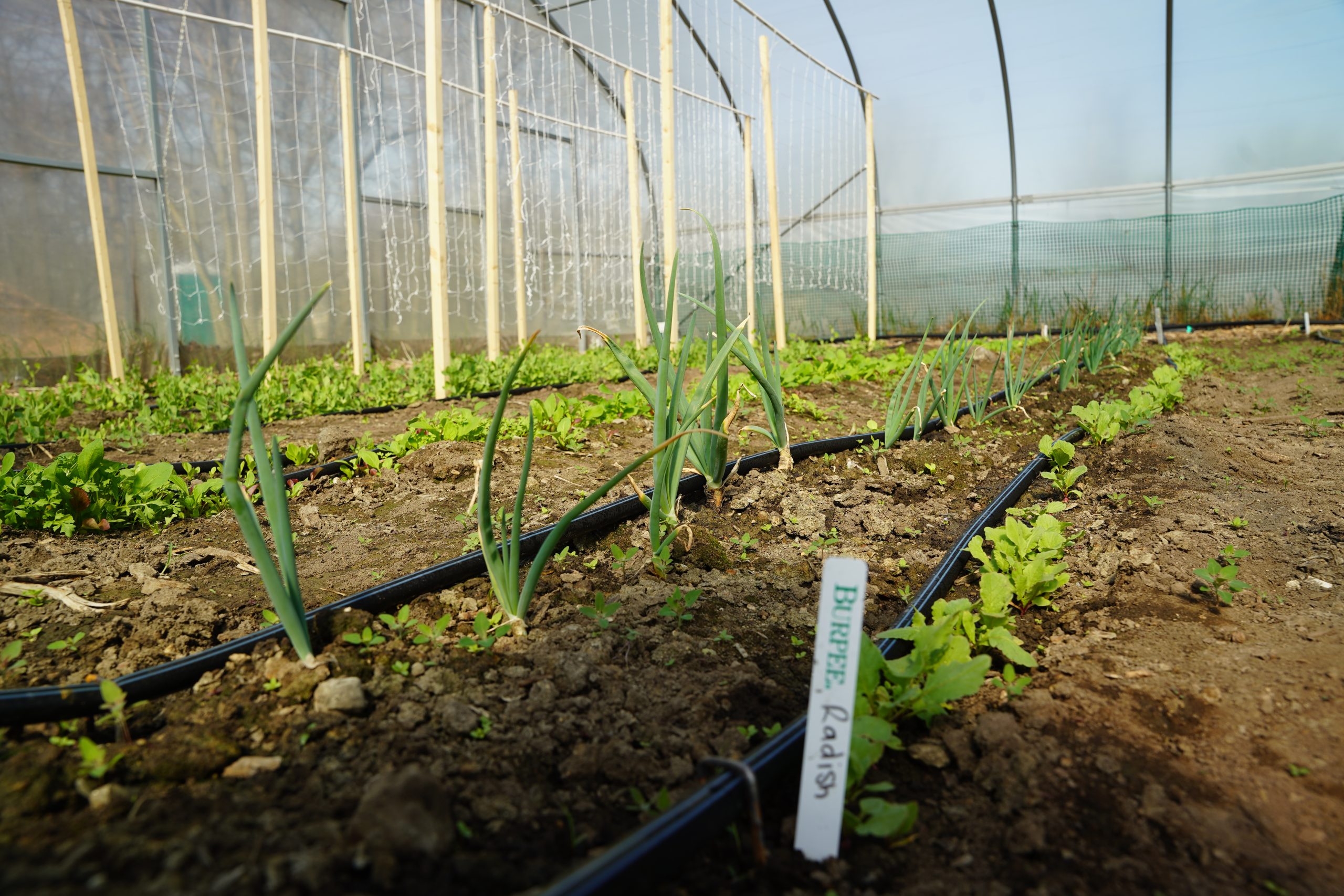
Edible Flint, a nonprofit that helps residents grow and access healthy food, often relies on the toolshed to assist beginner growers and those on fixed incomes. Handyside said the timing of the closure—just ahead of prime planting months—makes things harder.
“It’s such a crucial time for farmers and gardeners right now for the tool shed to be closed,” she said. April and May are prime months for bed prep and planting, and there is a long waitlist even for the tools that are available through the shed.
Handyside planned to use the rototiller this season for a project at Edible Flint’s former demonstration garden near Hurley Medical Center.
“The toolshed is a very important key component to the success of those growers being able to get a step up and not be barred down by capital costs,” Handyside said.
Jane Richardson, an Edible Flint board member and volunteer, told Flint Beat that the staff who run the toolshed are a key element to Edible Flint’s success.
“They teach, they correct, they advise, and they keep pretty good data, both for in-city use, which is hard to get,” Richardson said. “And often if someone can’t lift the equipment, they just do it. It’s not a discussion, it just gets done.”
Beyond landscaping tools, the shed also offers a mobile event kit with tables, chairs, a generator, tents, lawn games, and other equipment to help groups focus their budgets on performers or vendors.
Since 2017, NEH has tracked its toolshed impact: 42,387 properties are affected, 95% of which are located in north Flint. During an average six-month season, the shed processes about 2,000 checkouts, each typically used on three parcels, amounting to an estimated 6,000 lots annually. Wyatt said most usage comes from the Second Ward and Civic Park neighborhood.
“We used it all the time,” said Carma Lewis, president of Flint Neighborhoods United. “Civic Park looks more rural now. That’s how we’ve been able to maintain a lot of those properties.”
While the Land Bank’s Clean & Green team occasionally helps, residents often take on overgrown lots every few weeks.
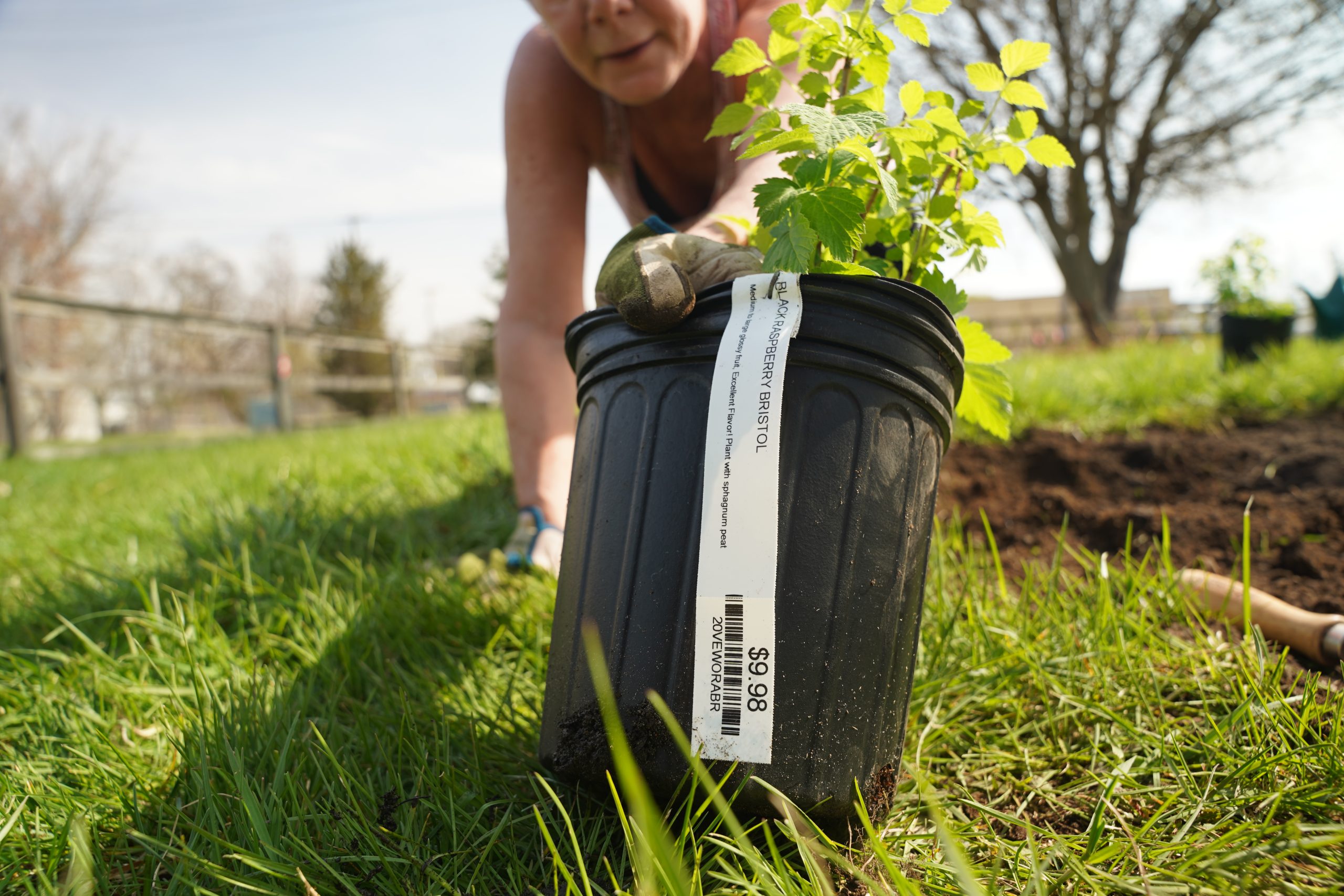
“It became a library of landscape equipment,” Lewis said. “When we can take care of our neighborhoods, we’re empowered. We take ownership, and property values can start to increase.”
She also noted that neglected properties once invited crime.
“There used to be a lot of breaking and entering,” she said. “People would stash stuff in the tall grass. That doesn’t happen anymore because there’s nowhere to hide it.”
Lewis said the toolshed helps raise Flint’s quality of life, tax base, and even reduce water bills.
Although the Land Bank has its Clean & Green team that provides occasional assistance, many properties go without regular upkeep—those are the ones residents take on every two to three weeks.
Pastor Floyd Fuller of Mt. Tabor Missionary Baptist Church, who’s active in the King Avenue PLUS community group, said the shed has also benefited renters.
“Renters normally didn’t have equipment, like lawn equipment or shears or things of that sort, rakes, things like that, in order to be able to take care of the property, so they will just let the grass grow,” said Fuller. “A lot of times, landlords did not take care of the property.”
After NEH publicly announced the loss of funding, Wyatt said the city contacted them about possible relief—unspent funds that could cover about 33% of the shed’s budget.
“We’re in the early stages of contract and review,” he said. “It’s not enough—but it’s a start. It gives us room to talk with other partners about bridging the gap.”
NEH has also applied for $150,000 in ARPA support. If the grant is approved, the organization would decline the city’s temporary funding.
The toolshed’s budget covers two to three seasonal staff, insurance, utilities, fuel, vehicle costs, and equipment repairs. Unlike commercial rentals, it provides tools at no cost and absorbs maintenance expenses.
“Probably 80% of the cost goes directly into the program—wages, supplies, and more,” Wyatt said. “The rest is support from our year-round staff.”
Wyatt encouraged residents who value the toolshed to contact their local city council members.
“It’s hard because we’re talking about things that grow,” he said. “You can’t just stop. Stuff grows back. It’s one of those wicked problems that needs constant care and investment.”
NEH has not launched a formal fundraising campaign but is open to monetary and tool donations depending on need.
For more information, contact NEH at info@nehflint.org or call or text 810-214-4829.
Support local news!
Flint Beat is here to empower, impact and inform our community. Show your support today!
Choose a monthly amount
Basic
Standard
Pro
Custom Amount
Thank you for your support!
Author