Lawmakers warn federal budget cuts could slash healthcare, food assistance in Flint
FLINT, Mich. — Percy Glover is grappling with the challenges of caring for his aging mother amid rising healthcare costs and federal budget cuts.
“Being our family’s first son, only son, I put my cape on and am right there to do everything for my mom,” the Flint community activist said. “This is beyond—my cape has now gone from bulletproof to very fragile. When I say the numbers are ridiculous, they are ridiculous. And something I have considered is possibly looking at bankruptcy for my mom.”
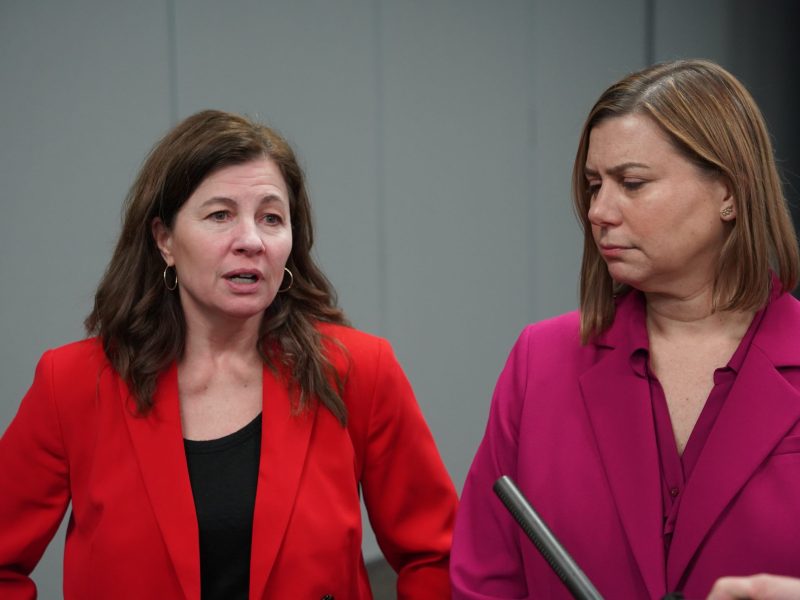
Glover was among the speakers at a March 19, 2025, roundtable held by U.S. Sen. Elyssa Slotkin and U.S. Rep. Kristen McDonald Rivet in Flint.

Sen. Slotkin acknowledged systemic issues in American healthcare and suggested that families like Glover’s work with patient advocates at hospitals to explore available programs and assistance.
“You are, unfortunately, part of what’s called the ‘sandwich generation,’ right? Slokin said. We have a lot of people in Michigan who are taking care of their parents and their kids at the same time, they’re sandwiched in between, and it’s not sustainable for most people. But sit with the patient advocate, try to figure out. There are probably five programs you qualify for that you didn’t even know about.
The junior senator expressed concern over President Donald Trump’s proposed $6 billion cut to social programs, saying that redirecting the funds to border security, military spending and corporate tax breaks would come at the expense of essential services.
“There is no way for the math to work on their proposals without significant cuts to Medicaid,” Slotkin said. “I think one of the things that I felt very acutely when the plan started to come out, is this is going to affect Michiganders almost immediately.”
In Flint, these cuts could hit vulnerable populations, where residents are still dealing with the long-term health effects of the water crisis. Several local leaders joined the discussion, including Hamilton Community Health Network CEO Clarence Pierce and Valley Area Agency on Aging CEO Yaushica Aubert, who emphasized the consequences of the proposed cuts.
Pierce detailed how local healthcare providers like Hamilton Community Health Network would be affected.
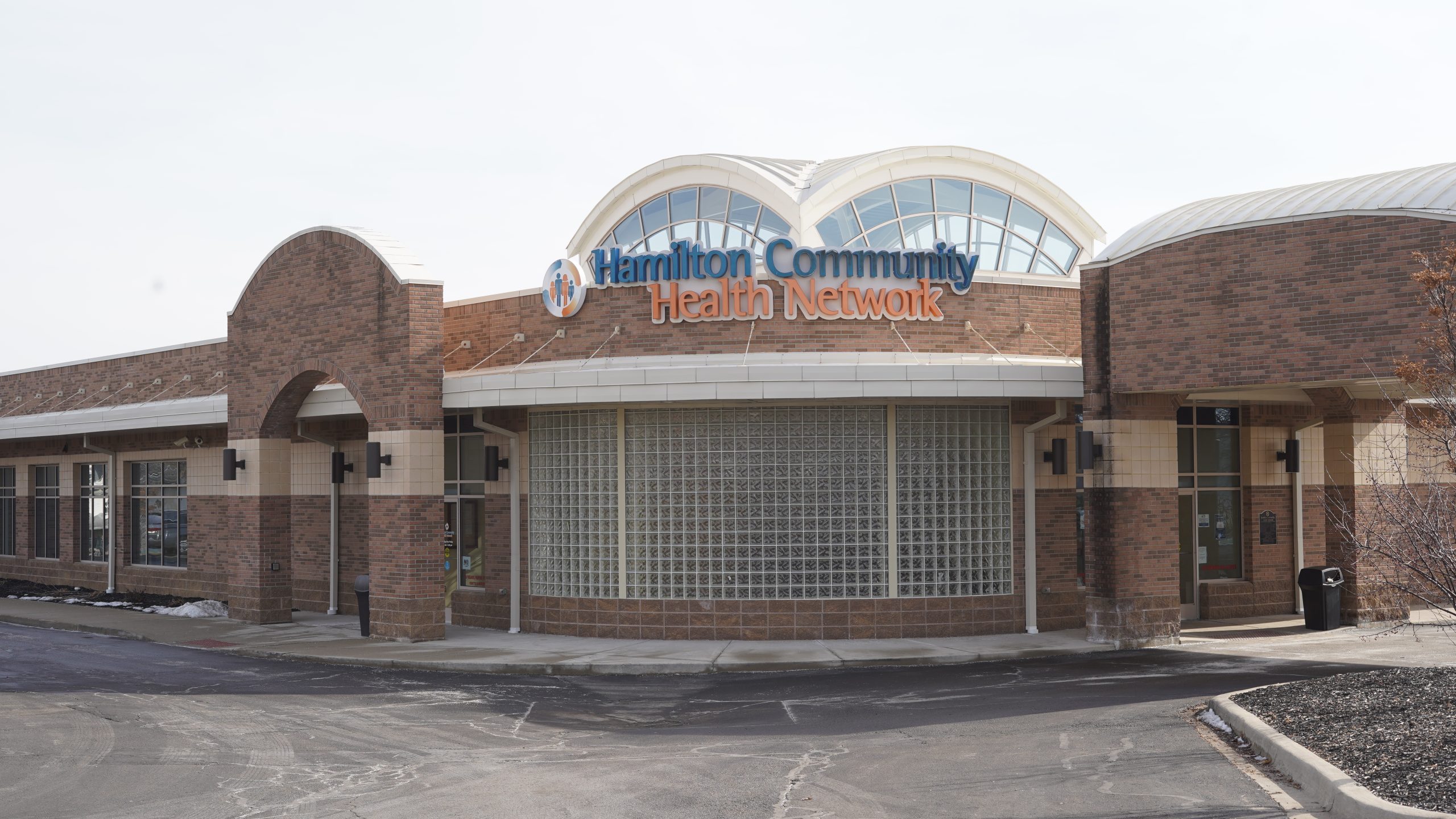
“This is not something that we could sustain and it definitely would have a significant impact on our patient population and the people we serve,” Pierce said.
Hamilton officials estimate that funding cuts could strip coverage from 25% of its patients, resulting in a $1.5 million deficit. Such losses could force clinic closures and limit access to essential healthcare services.
“Medicaid saves Michigan taxpayer dollars by providing preventative Primary Care Access and helping patients establish a medical home,” Pierce said. “The expansion of Medicaid with the Affordable Care Act has reduced uncompensated care costs by reducing emergency room visits and costly hospital stays.”
Aubert discussed the potential impact of Medicaid cuts on seniors who depend on the Medicaid-funded MI Choice Waiver Program, which provides at-home nursing services.
“If we can’t give people nursing home levels of care in their home at a cheaper rate, what’s going to happen? They’re going to end up going to the nursing home. They’re going to end up going to the hospital. That draws costs up even more,” she said.
She noted the significant cost difference: nursing home care averages $220 to $300 per day on the lower end, while the MI Choice Waiver Program offers similar services for around $70 per day.
Medicaid currently supports 2.6 million Michiganders, according to Slotkin. Data from the Michigan Department of Health and Human Services (MDHHS) shows the number of beneficiaries grew by more than 736,500 from 2020 to 2023. In Genesee County, Medicaid enrollment rose from 136,619 to 170,005 during that period.
Potential budget cuts could lower hospital reimbursement rates, increasing the risk of closures. Additionally, reductions in Medicare Part D could lead to higher prescription drug costs for seniors.
Federally funded food banks, which have become a crucial resource as the rising cost of groceries and essentials increases food insecurity, are also at risk.
The Food Bank of Eastern Michigan serves 22 counties, including Genesee County, with Flint as a major distribution center. It provides support to more than 222,070 food-insecure individuals.
In addition to cuts to healthcare, funding for school meal programs and food assistance is at risk, with a proposed $1 billion cut to public school meals and nearly $300 billion in reductions to Supplemental Nutrition Assistance Program (SNAP) benefits.
Some Flint students rely on free or reduced-price school lunches. As of 2024, all students in the district qualify for this program. Cuts to these services could leave thousands of children without regular access to meals.
Slotkin announced she will open a new office in Flint to help people with federal issues like Social Security delays, VA benefits, IRS problems, and emergency passports. The office will serve Flint, Saginaw, Bay City, and Midland, but the official in charge has not yet been named.
Both the senator and the congresswoman encourage citizens to contact elected officials at all levels of government, engage in media advocacy and apply social pressure to politicians to protect these vital programs.
Support local news!
Flint Beat is here to empower, impact and inform our community. Show your support today!
Choose a monthly amount
Basic
Standard
Pro
Custom Amount
Thank you for your support!
Author